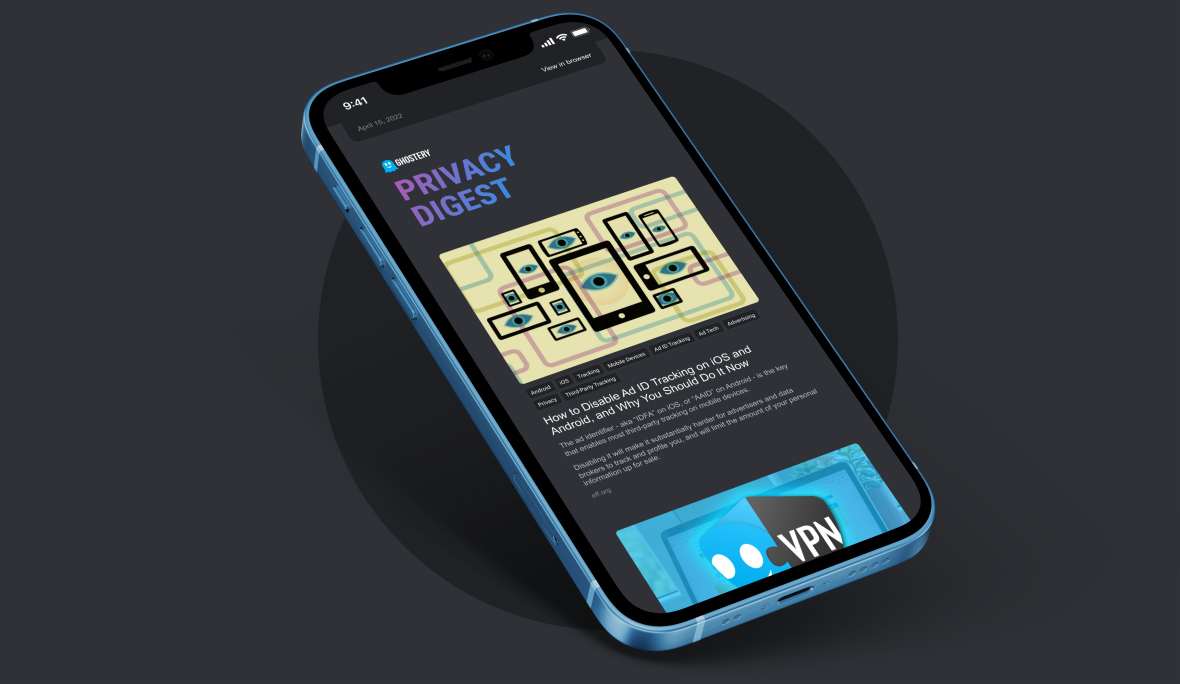
Protect your digital identity with our Privacy Digest!

Receive the latest privacy news & tips, straight to your inbox

Stay up to date and maintain good digital health

Sends every 2 weeks. No more, no less

Top articles from the latest edition

The Privacy Digest newsletters are designed to help our readers feel secure online and empowered to take action in protecting their digital identity. Here’s a sneak peek at what we covered in our latest edition…

WireGuard VPN Developer Can’t Ship Software Updates After Microsoft Locks Account

A key developer behind the widely used WireGuard VPN was suddenly locked out of his Microsoft developer account, preventing him from releasing updates for Windows users. The issue stems from a mandatory account verification process tied to Microsoft’s Windows Hardware Program, which allows developers to sign drivers required for software to run properly. Without access, critical updates could be delayed, potentially leaving users exposed if vulnerabilities arise. The situation highlights how platform gatekeeping can disrupt even major open source security projects. Several other privacy tools, including VeraCrypt and Windscribe, have reported similar lockouts.

techcrunch.com

VPN Security WireGuard Open Source Microsoft Privacy Tools

Your Photos Are Probably Giving Away Your Location. Here’s How to Stop That

Photos taken on smartphones and cameras often include hidden metadata, known as EXIF data, which can reveal when and where an image was captured. If location services are enabled, GPS coordinates may be embedded in the file without you realizing it. While this can help organize photos by place, it can also expose sensitive information when images are shared online. Checking metadata before sharing, removing location tags, or disabling location access for the camera can help protect your privacy. These simple steps reduce the risk of unintentionally revealing where you live or spend your time.

wired.com

Photo Metadata Location Privacy Apple Photos Google Photos

EU Parliament Blocks Mass-Surveillance of Our Chats. What's Next?  

The EU Parliament has taken a step toward protecting private communications by refusing to extend a temporary rule that allowed companies to scan users’ messages. The decision weakens parts of the controversial “Chat Control” proposal, which critics say could undermine encryption and enable widespread surveillance. However, the broader plan to detect illegal content in private messages is still under discussion. Some tech companies have indicated they may continue voluntary scanning, which could still raise legal and privacy concerns. For privacy advocates, the focus now shifts to ensuring mass surveillance measures do not return through future legislation.

eff.org

EU Privacy Law Chat Control Encryption Mass Surveillance

Over 100+ million Ghostery downloads for privacy protection

PROTECT YOUR DIGITAL IDENTITY WITH OUR PRIVACY DIGEST!

Join our 450,000 + subscribers

Feel more secure and empowered online with every new edition of Ghostery’s Privacy Digest.

Check email

Please confirm subscription

We’ve sent you an email to . Please confirm your subscription to Ghostery’s Privacy Digest.

We recommend adding newsletter@ghostery.com to your contacts to avoid having our newsletter flagged as spam.